
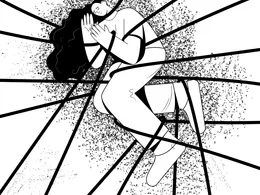
What trauma bonding is NOT
Trauma bonding is not people, getting together to share experiences over their traumas, and how this may have affected them. This is simply, speaking to friends and close ones about experiences. Trauma bonding is not bonding over trauma. That is something we do. Instead, think of trauma bonding as something that happens to a person who is subject to abuse.
What trauma bonding IS
Trauma bonding is a pattern of attachment that forms between a person and someone who harms them, often a parent or a care giver. Our parents are the first and primary source of safety that we seek, as soon as we are born. So what happens when those same people fail to keep us safe? What happens, when they abuse us? Those same abusive parents, may also sometimes show love and kindness. Our nervous system registers this, as safety. They have shown some care, remorse, empathy even. All of a sudden, our brain registers the very same person who is abusive, as the person who will rescue us from that abuse.
This is what is known as a trauma bond. We become bonded to our abusers, because they are also our rescuers. When we are hurt, and then suddenly get reassured, the nervous system feels relief. It appears right after fear, and so that feeling of relief is disproportionately powerful. The nervous system is clinging to the 'good' moments as a way of surviving the 'bad' ones. Our nervous system has a very maladaptive way of finding 'safety' in relationships.
As we grow in to adulthood, that style of attachment may remain with us, as our nervous system has defined 'safety' in relationships. A part of that person will recognise that they are being abused, but they may feel a very strong connection and pull to stay in that relationship, despite what their more rational and logical thoughts are telling them. Have you ever seen a child who is being abused, desperately defending their parents? It is heart-breaking, it is illogical, but it is the only way that child knows how to stay safe. The abuser may even take this as a sign that they are a good parent, with no incentive to change their behaviours. The result for that child? A very abusive dis-functional and frightening relationship with their parents, that they must defend at all costs. You may recognise this pattern with adults who are with abusive partners. You might ask, 'why don't they just leave them?'. This could well be the reason. Having no internal framework for what a healthy, consistent and safe romantic partner should look like, leaves that person with no other options.
Imagine the first time you see a chair, it has three legs. The next time you see a chair, it still has three legs. Imagine someone constantly telling you for your whole childhood, that the chairs have three legs. That is what they look like, and that is what you will believe them to be. Now you are an adult, and everyone around you is telling you, no, obviously chairs have 4 legs and dismiss your experience completely. How would you feel? Judged? Dismissed? Silly? Now, imagine that, but instead of chairs, it is relationships. Obviously relationships are supposed to be loving, caring and have equality, well, not if you have been learned your whole life, that 'safe' relationships are based on a pattern of abuse.
This can result in seeking similar attachments in relationships in adult hood, being attracted to chaotic, inconsistent romantic partners, as unconsciously, they replicate the pattern you have become used to. It is abusive, unreliable, chaotic, but it is familiar. The brain knows how to people please, apologise for things that weren't their fault, fawn (I will do another blog post about fawning) and ensure that the fear is soothed by the relief.
If you recognise yourself in this pattern, if you feel you want to understand more, and learn to build true safety in relationships, you can do this. It is not too late. Reaching our for therapy, looking for consistent, caring friends, re-wiring that nervous system to reteach what 'safety' looks like in relationships is still possible.
Trauma bonding is the brains survival response, it is not a choice we make. This is really important to know, as whatever is happening to you, is NOT your fault. You are simply responding to your brain.
If you feel you are in an abusive relationship, help is out there
The National Domestic Abuse helpline for women - 0808 2000 247 (UK) - https://www.nationaldahelpline.org.uk/
Respect is a helpline to support men who are victims of abusive relationships - 0808 8010 327 (UK) https://mensadviceline.org.uk/
You can also call the Samaritans on 116 123.